
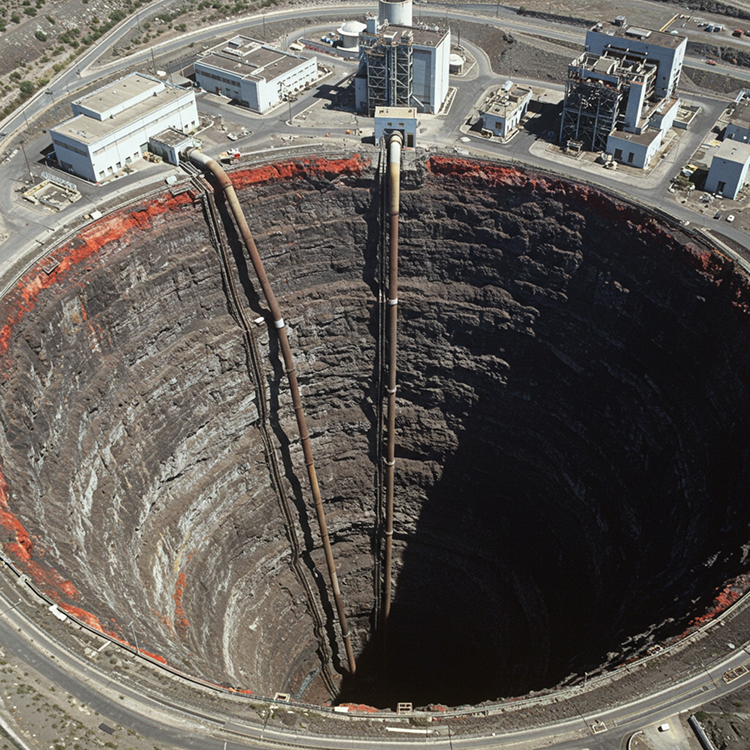
Dypvann’s zero-waste vision: offshore growth transforms concrete infrastructure into high-value biomass
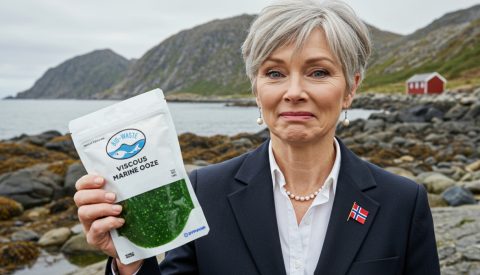
A bold innovation in edible bio-waste, Dypvann's new food product, Viscous Marine Ooze, hits the she...
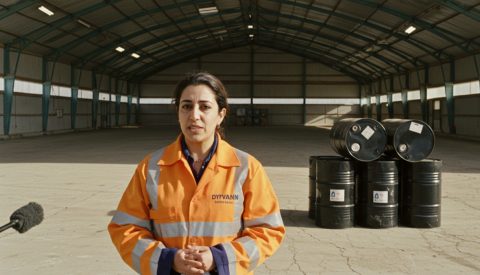
Sunk Capital announce a major investment in Norwegian energy firm Dypvann, ushering in a new era of power generation and bringing considerably higher energy costs to tens of millions around the globe.
The fifth largest energy producer in the world.
Facilities with zero pollution on land.
Network of suppliers to hide illegal money transfers.
Dypvann is an energy firm that is prepared to do literally anything to extract the maximum amount of resources from the planet. This approach has helped power them through to the world’s 5th largest energy corporation. Led by industry veteran Hilde Fjeld, this ambitious Norwegian firm has plans to supply 50% of the world’s energy needs by 2035.
Sunk Capital have committed to an initial $65bn investment, primarily to boost Dypvann’s innovative AltPower division—a research group specialising in innovative ways of power generation.
In order to mitigate environmental pollution in Norway’s rich natural landscapes, Dyvann have built a number of offshore coal power plants. Each facility requires vast coal shipments by sea and only 23% of facilities have so far been ravaged by catastrophic fires.
Dypvann is born when Finnish energy giant Dyp Power merged with Norwegian soup retailer Vann Soups. 'Dypvann' means 'deep water' in Norwegian.
The firm's first offshore coal power plant is completed, generating an impressive 300 megawatts, just enough to run the facility itself.
The previous CEO, Tore Kristiansen, is removed for refusing to break international law to enable a controversial fracking project on land allocated to war graves. Hilde Fjeld was brought in and promptly approved the project.
Dypvann's largest power project to date opens 17 years behind schedule and $49bn over budget—the Channel Dam, a vast hydroelectric dam across 100km of the English channel, between Great Yarmouth, UK, and The Hague, NL.
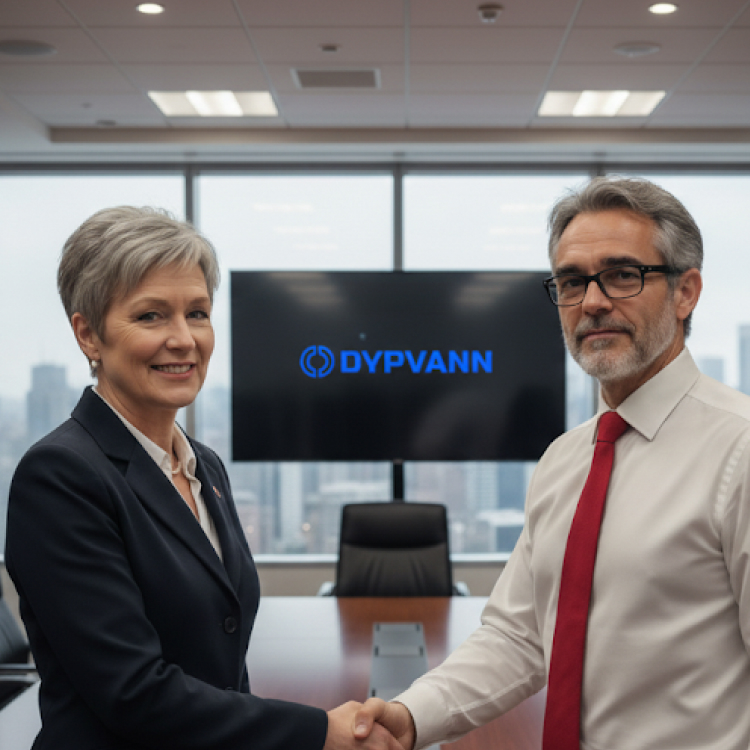
Facing crippling debt and mounting legal pressure from 39 countries, including China, France and the United States, Dypvann signs a partnership agreement with Sunk Capital for a $65bn investment.
The Dypvann Channel Dam runs 100km across the English Channel to The Hague in the Netherlands.
Sunk Capital have always believed in the beauty of the natural environment, and that beauty is locked away as natural resources like coal, oil, gas and rare-earth minerals. To extract these in unsustainably aggressive volumes is a key part of our path to recovering our substantial investment with Dypvann.
Hilde Fjeld, CEO at Dypvann, has promised to leave no field, ocean or delicate rainforest ecosystem untouched in the quest for dominance in the energy market. To achieve this, Fjeld has recently cancelled all environmental treaties, eco grants, sustainability initiatives and emissions targets.


A small part (~79%) of Dypvann’s debt comes from litigation action around safety incidents. While an independent auditor found the level of debt to be “gargantuan, totally unsustainable”, Sunk Capital has dismissed this assessment as politically motivated.
When Sunk Capital’s own auditors reported back, the level of debt was found to be zero—in part due to inaccurate records and the adjustment of key figures across multiple accounts.
Recent accusations of safety breaches have been directed at Dypvann from an unreliable and misinformed global press. CEO Hilde Fjeld has demonstrated strong leadership by consistently denying these false allegations that are nothing more than an attempt to smear the good reputation of Dypvann.
Dypvann owns energy facilities across the world, from Chile to Bolivia, Argentina and even Tuvalu. Here are some of our flagship energy projects in current operation.
In order to reduce the crippling debt held by Dypvann, Sunk Capital have put in place a management programme designed to drive continued growth at any cost.
Many plants will undergo substantial extensions. This includes additional reactors at nuclear sites, increased capacity in offshore coal, and an additional orbital ring solar station. Hilde Fjeld has already begun authorising projects across Europe.
As part of a drive to reduce the carbon footprint of construction projects, carbon targets have been entirely eliminated. Going forward, each report will include a figure of ‘zero’ for carbon emissions, as no data will be tracked. However, bear fatalities will still be tracked, as disposing of bear corpses is costly and time consuming.
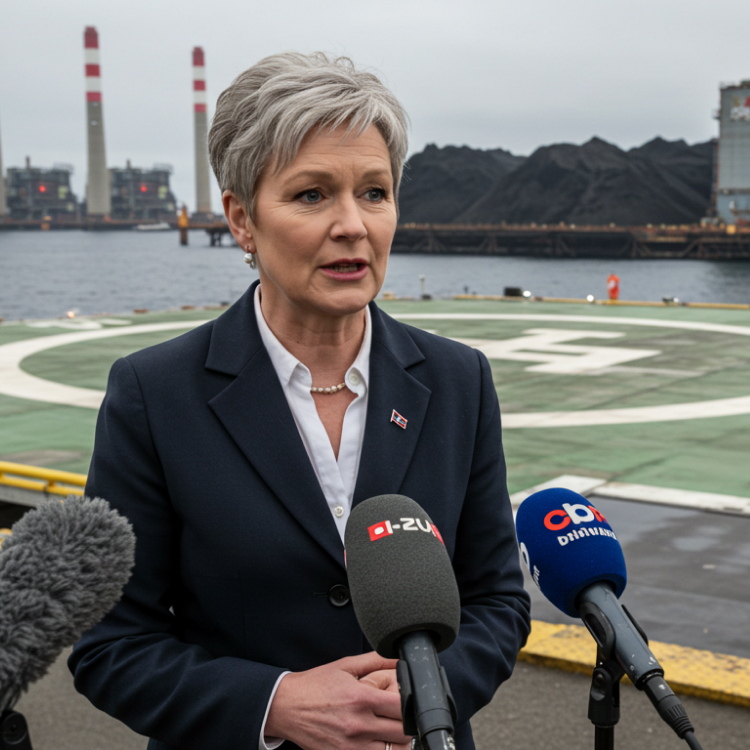
The Gråfjord offshore coal power station in the Norwegian Sea.
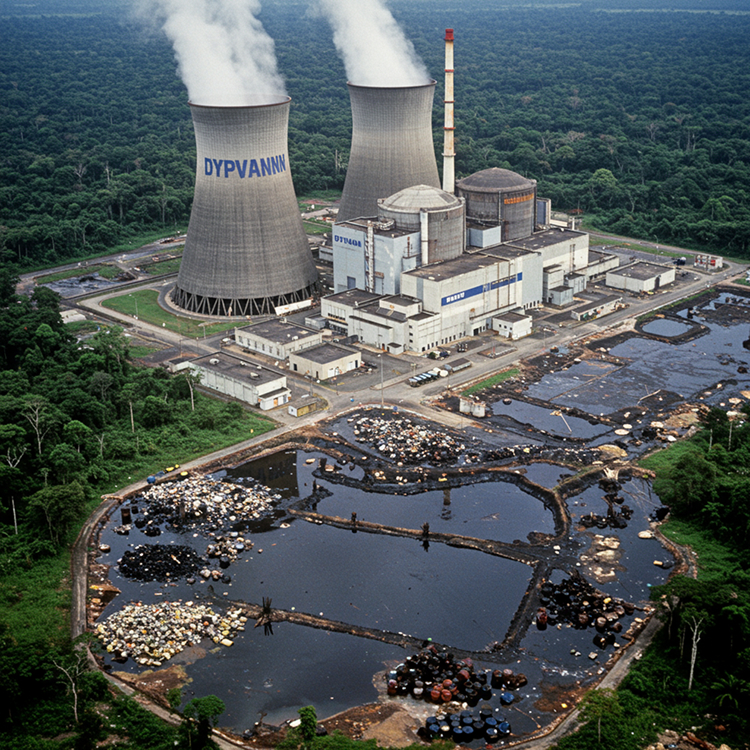
As part of Dypvann’s commitment to community engagement, we have listened to feedback around better securing access to our waste management sites. One such example, the Brixton Nuclear Disposal Site, London, UK, saw Dypvann engineers install an extra security padlock on the gates.
In the intrest of transparency, some members of the community have raised concerns about the high number of dead pigeons in the vicinity of the site. Dypvann ecologists have investigated and found that the birds all died of natural causes and the leaking radioactive chemical waste they were found in is simply coincidental.
Dypvann expects to invest in more community disposal centers around the world, as they have proven extremely popular with local children. One idea, suggested at a recent town hall meeting in Brixton, is to install a set of swings and a slide. Due to budget constraints a set of colourful ribbons will be tied to the chain link fence instead.
With this new round of investment from Sunk Capital, Dypvann are preparing to launch even more groundbreaking energy projects, including in countries where bribes for construction permits are now affordable.
The first major project to be announced is ATLAS, a bold, innovative plan to harness the power generated by plate tectonics. This new technology, named FaultGen will generate a new kind of power which Dypvann engineers are calling Plate Drift Energy (PDE). This initiative will involving digging up most of western Peru and cost approximately $750bn. Construction plans are already being drawn up. The current scientific consensus on the project is that it is “cataclysmically bad for all civilisation”. Dypvann will nevertheless proceed.
There is no single reason for this. A complex array of profiteering, corporate greed and the relentless march of late-stage capitalism are mostly to blame, as are our admittedly extortionate prices. We rely on our profits to pay out unreasonably large bonuses for our executives, and without passing many of our inflated costs on to you, our valued customer, Dypvann executives would miss out on vast sums of cash they likely don't need.
All complaints can be sent to our unmonitored customer support email address, available on our corporate website, which is not accessible to the public. We greatly value your feedback.
No. We have facilities all around the world, mostly in the few countries that we are legally allowed to operate in. Our operations are heavily penalised in Norway due to "environmental negligence", which we greatly dispute. We allegedly have 14 illegal facilities on mainland Norway which have so far eluded government-mandated shutdowns, and six facilities offshore of Norway in locations so close to international water that responsibility for their operation is currently a grey area under current litigation. We cannot comment on this any further.
A bold innovation in edible bio-waste, Dypvann's new food product, Viscous Marine Ooze, hits the she...

A new oil extraction facility in Morocco has overdelivered against a production target of six barrel...
Dypvann's flagship solar array causes unrest as its shadow brings constant darkness to many European...
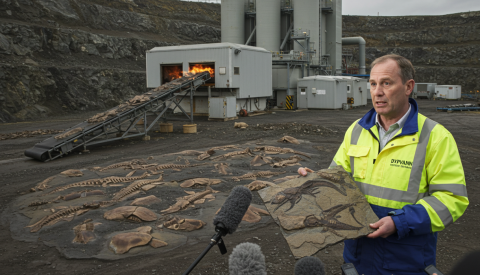
Dypvann’s Chief Scientist, Bjørn Eide, announces that fossils will be used as an alternative to trad...

To provide the best experiences, we and our partners use technologies like cookies to store and/or access device information. Consenting to these technologies will allow us and our partners to process personal data such as browsing behavior or unique IDs on this site and show (non-) personalized ads. Not consenting or withdrawing consent, may adversely affect certain features and functions.
Click below to consent to the above or make granular choices. Your choices will be applied to this site only. You can change your settings at any time, including withdrawing your consent, by using the toggles on the Cookie Policy, or by clicking on the manage consent button at the bottom of the screen.